The Art of the Slot: Strategy, Psychology, and Modern Casino Design
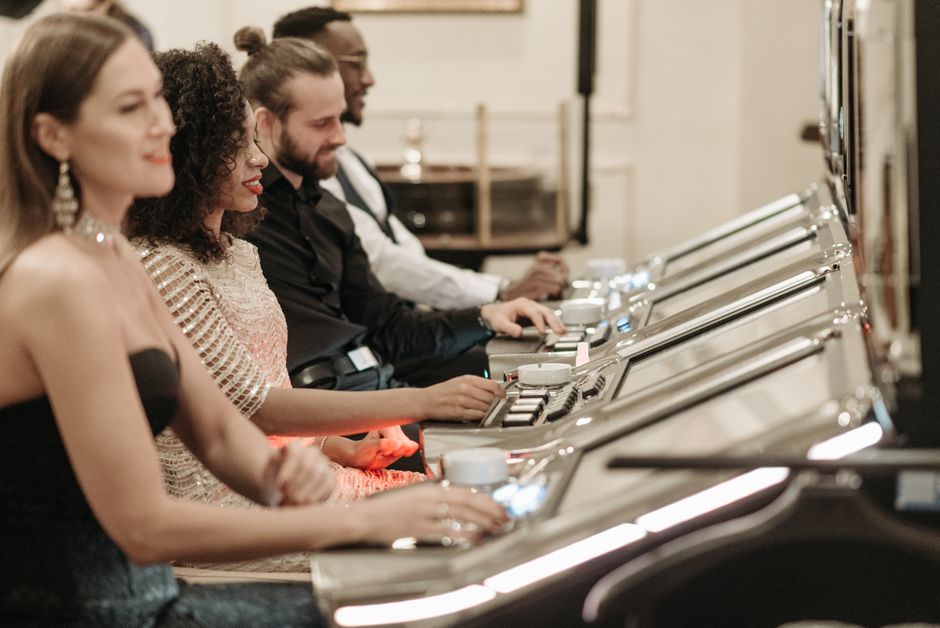
Understanding the Slot Machine: More Than a Spin
The modern slot machine is a marvel of applied mathematics, behavioral psychology, and industrial design. To the casual observer, it is a simple game of chance—insert currency, press a button, and wait for symbols to align. However, beneath the flashing lights and immersive soundtracks lies a carefully calibrated engine of probability. Every spin is determined by a Random Number Generator (RNG), a cryptographic algorithm that produces thousands of number sequences per second, ensuring that each result is independent from the last. This core technology renders each pull of the lever or tap of the screen statistically isolated, making the concept of a "hot machine" or "due payout" a persistent myth. Yet, the design of the machine is intentionally crafted to suggest otherwise, exploiting cognitive biases that have been studied for decades.
Payout Structures and Volatility
One of the most critically misunderstood aspects of slot play is the concept of volatility, also referred to as variance. High-volatility slots offer large, infrequent payouts, often creating long dry spells punctuated by moments of euphoria. Low-volatility machines deliver smaller, more frequent wins, maintaining a steady flow of gameplay. The Return to Player (RTP) percentage, typically ranging from 85% to 98%, is a theoretical long-term average that does not predict any individual session. For example, a slot with a 96% RTP is designed to return $96 for every $100 wagered over millions of spins, but in a session of fifty spins, a player may be down 40% or up 200%. The game designer's goal is to balance the frequency and magnitude of wins to optimize the duration of play—a metric known as "time on device." This is where the slot ecosystem reveals its sophistication: the game is not merely about winning or losing, but about managing the flow of the player's attention and credit.
The Psychology of Near Misses and Reward Schedules
Behavioral research has shown that slot machines are particularly effective at triggering the brain's dopamine reward system. The near-miss effect—where two matching symbols appear on the payline and the third stops just above or below it—has been scientifically documented to stimulate the same neural pathways as an actual win. This creates a powerful compulsion to continue playing, as the brain interprets the near miss as evidence that skill is improving, despite the outcome being entirely random. Furthermore, modern slots utilize variable ratio reinforcement schedules, the same principle that makes pigeons in Skinner boxes peck obsessively at a lever. Unlike a fixed schedule (e.g., every tenth spin wins), a variable schedule is unpredictable. This unpredictability is the most addictive pattern known to behavioral psychology. Game designers layer these mechanics with celebratory audio-visual cues—flashing lights, musical crescendos, and animated characters—even for wins that are less than the original bet, creating an illusion of positive outcomes.
Digital Evolution: From Mechanical Reels to Video Slots
The physical slot machine of the early 20th century, with its spinning reels and metal arm, has given way to a fully digital, networked experience. Modern video slots feature elaborate themes derived from movies, mythology, and popular culture. They incorporate multiple paylines—sometimes over 1,000 ways to win—along with cascading reels, wild symbols, scatter pays, and intricate bonus rounds that function almost like mini-games. These features are not mere entertainment; they are structural devices designed to obscure the player's true rate of loss. For instance, a bonus round that offers 15 free spins may pay an average of 50x the triggering bet, but the player’s brain often overvalues the excitement of the bonus itself, ignoring the statistical cost of the spins required to trigger it. The shift to digital has also enabled slot machines to be linked across a casino floor, feeding into progressive jackpots that can grow to millions. This network effect creates a shared fantasy among players, where the thought of "hitting the big one" overrides the mathematics of the game.
Regulation, Fairness, and the House Edge
Every slot machine in a regulated jurisdiction must undergo rigorous testing by independent agencies such as GLI (Gaming Laboratories International) or BMM Testlabs. These organizations verify that the RNG is truly random and that the hold percentage—the theoretical profit the casino expects—falls within legal limits. The house edge is not a hidden trick but a published figure, yet it remains opaque to most players. For example, a slot with a 10% hold percentage means the casino expects to keep $10 of every $100 wagered over time. This margin funds the casino's operations, including the electricity, maintenance, and the very mechanics of the slot floor. Interestingly, the physical location of a machine on the casino floor can also be strategically determined: high-traffic aisles often feature machines with slightly lower hold percentages, attracting players with visible wins, while quieter areas may hold machines with tighter margins. The slot floor is a laboratory of human behavior, meticulously arranged to maximize dwell time and per-capita spend.
The Role of Luck and Personal Strategy
While it is essential to understand that slot outcomes are mathematically predetermined by RNGs, players often develop personal strategies to manage their bankroll and enhance enjoyment. Setting loss limits, choosing games with higher RTPs, and treating the experience as a form of paid entertainment rather than an investment are rational approaches. It is also statistically sound to avoid progressive jackpot machines if the goal is extended play, as the house edge on these is often significantly higher to fund the top prize. Conversely, a player seeking the thrill of a life-changing win may accept that trade-off. Ultimately, the most critical variable in slot play is not the machine, but the player's state of mind. The game is designed to create a trance-like state of engagement—often called "the zone"—where time and money lose their usual boundaries. Recognizing this psychological trap is the first step toward responsible engagement. The slot machine is not a device for making money; it is a sophisticated entertainment platform that charges for the privilege of suspense. Approaching it with this understanding allows a player to enjoy the music, the lights, and the occasional cascade of wins without the dangerous illusion that skill or patterns can beat the math.
Conclusion: The Enduring Appeal of the Spin
From the one-armed bandit of the 1890s to today's 4K-resolution touchscreen terminals, the slot machine has evolved into a multi-billion dollar industry. It persists because it taps into a fundamental human desire: the hope for a sudden, transformative reward. It offers a brief escape into a world where luck is the only currency and every spin holds the potential for a new narrative. While the mathematics are cold and the psychology is manipulative, the slot remains a staple of modern gaming. Understanding how it works, from the RNG to the near-miss effect, empowers the player to engage with it on their own terms. Whether one views the slot as a harmless diversion or a predatory machine, its design brilliance is undeniable. It stands as a testament to the intersection of technology, art, and human nature—a simple spin that contains within it the complexity of a thousand decisions.